Our Story
Sometimes, the best ideas begin simply by solving your own problem. That is how Blazer got its start.
Founded: 1976
Headquarters: Aumsville, Oregon
Specialty: Volumetric Modular Construction

1976 - 1987
1987 - 2025

2025 - Present
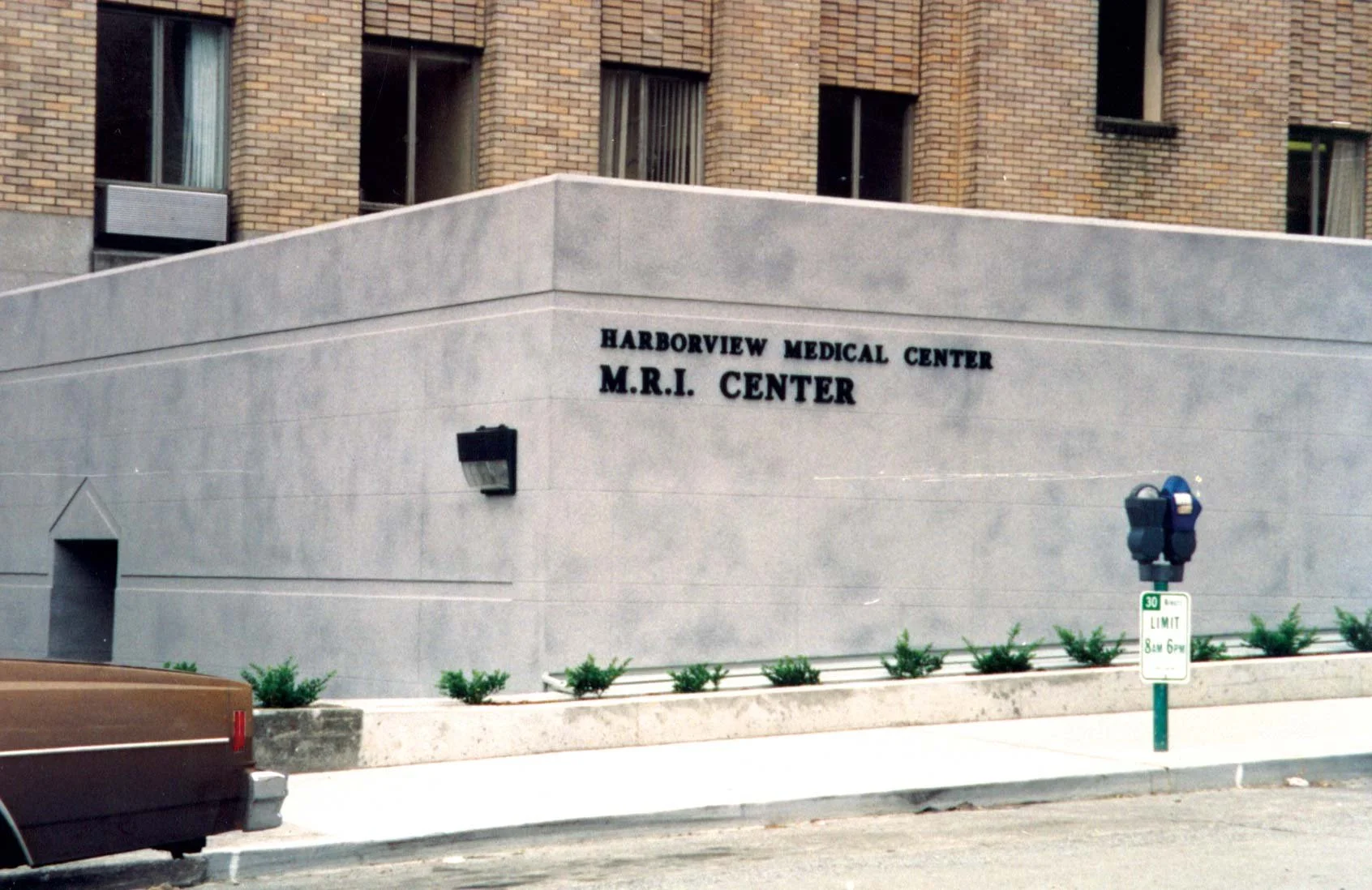

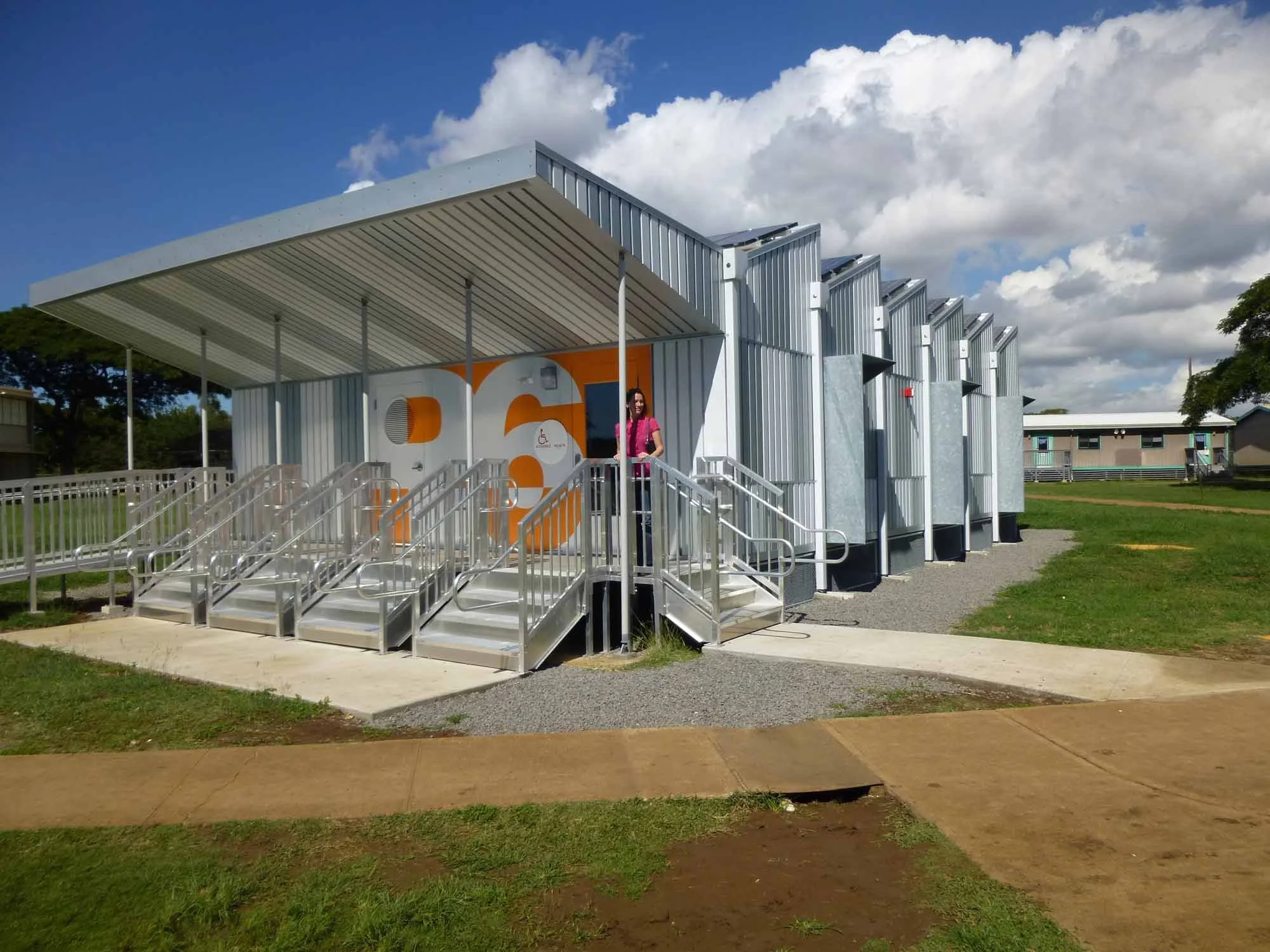
Cascade Toilets.
The business that led to the business.
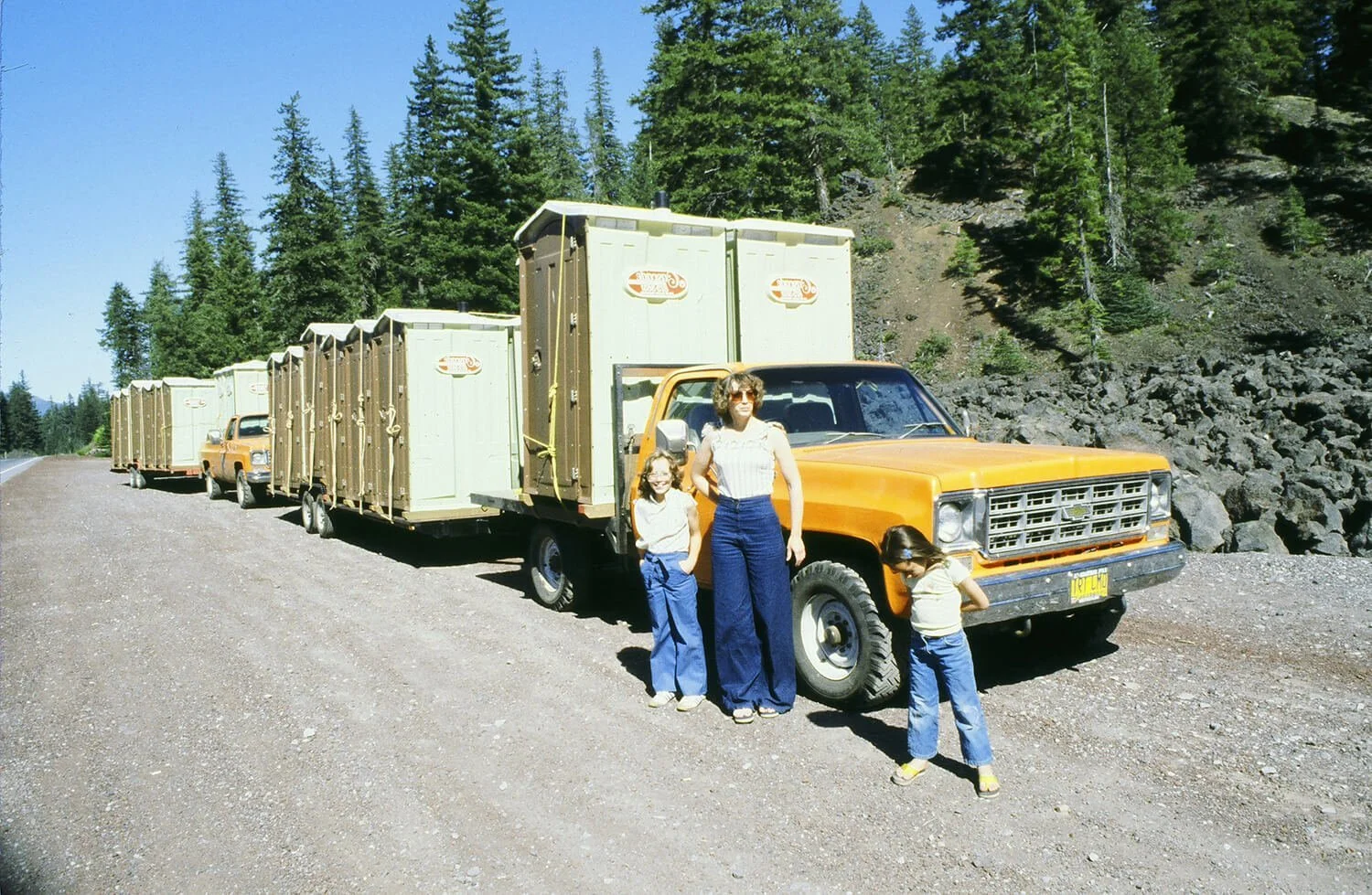
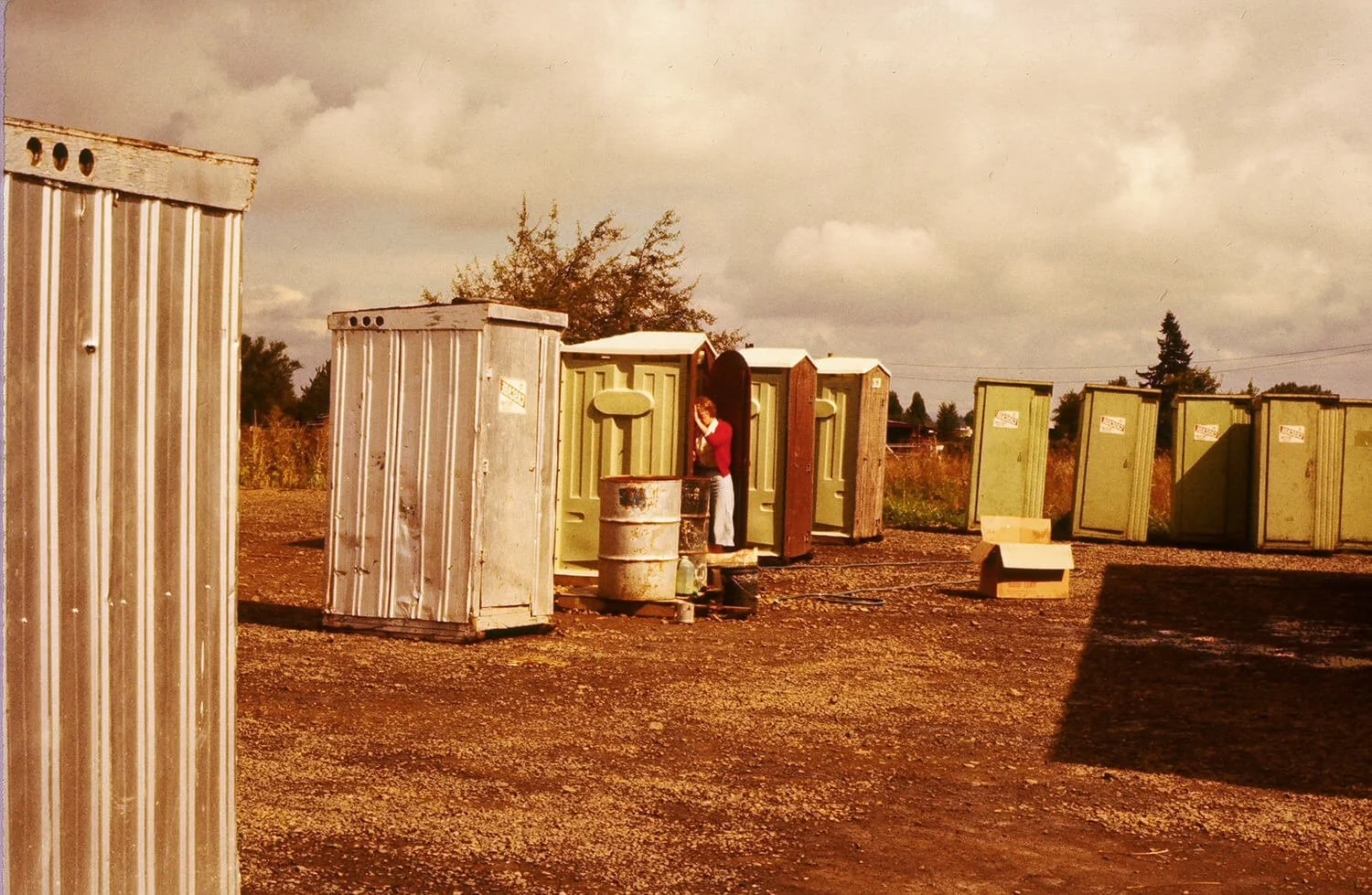
1975
The Beginning: From Necessity to Innovation
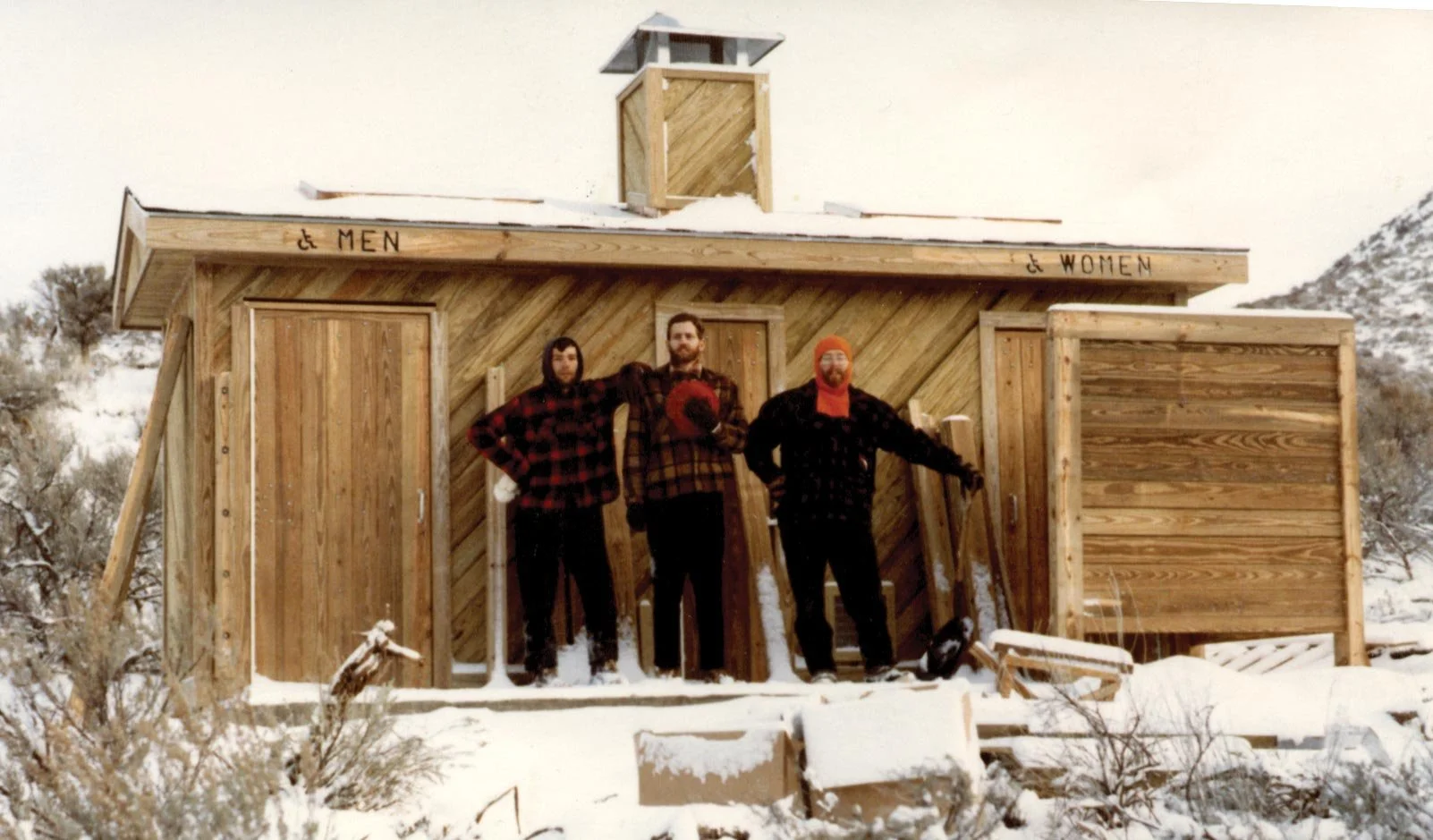
In 1975, Oregon passed a law requiring full-flush toilets and warm water handwashing on large construction sites. At the time, our family owned Cascade Toilets, a portable restroom company in Silverton. When we couldn’t find a manufacturer to meet the new requirements, we built the units ourselves—sparking a new venture. In January 1976, Blazer Industries was born.


1976
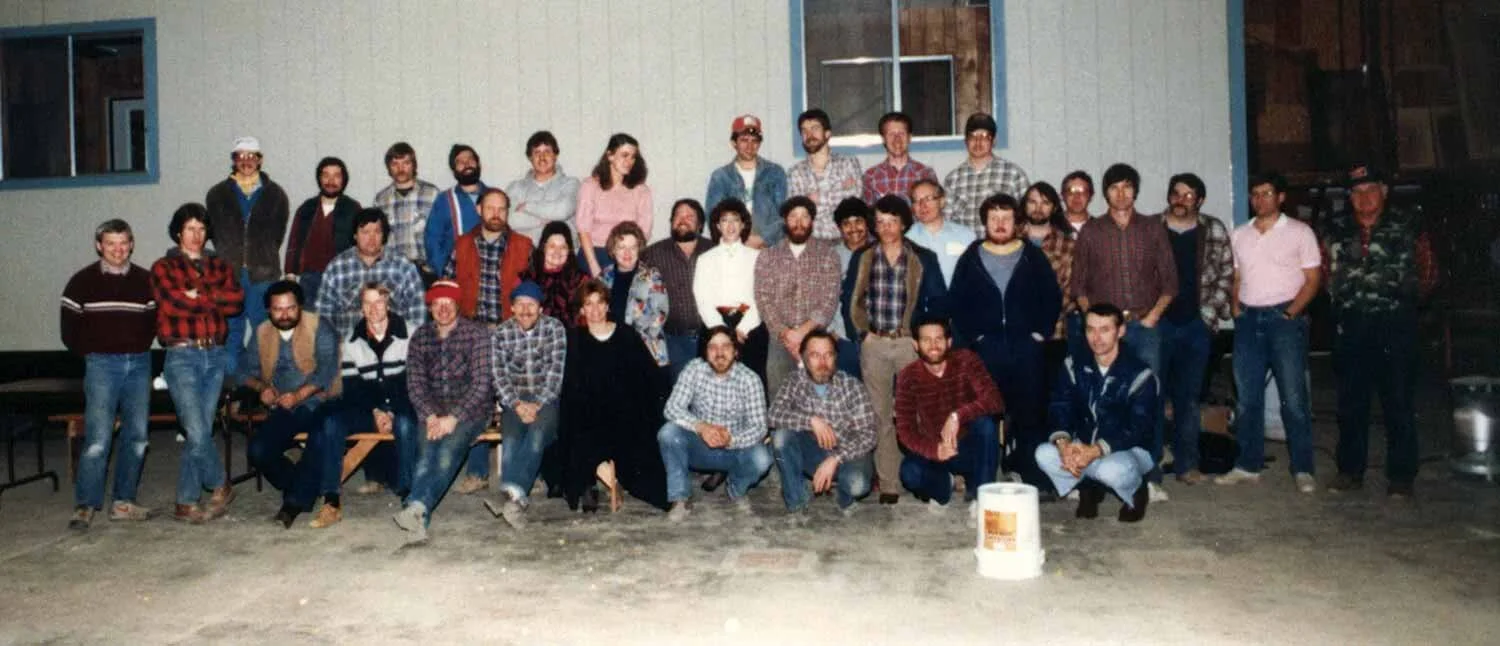
The 1970s: Early Years and Steady Growth
Our first modular building—a single-user restroom—was constructed in a barn with the assistance of a friend and subsequently sold back to Cascade Toilets. By the end of 1976, we had built and sold twenty-two restrooms. Our first new dealer was Porta House. In 1977, we expanded into office trailers and added 6,000 square feet of production space in Silverton. The following year, we incorporated as Blazer Industries and purchased two former airport hangars for production and additional storage.
By the end of 1980, Blazer had produced nearly 300 modules and built a strong regional customer base, and in 1982, with a recession looming, we sold Cascade Toilets and focused solely on modular construction. By the close of the 1980s, we had built over 3,000 buildings, employed more than 150 people, and outgrown our existing footprint.
Additionally, we began shipping buildings to Hawaii and Alaska for Hawaii Modular Space—transported by barge from ports in Portland and Seattle. These markets remain key to our business today.

1993
1990-2000: New Markets, New Facilities
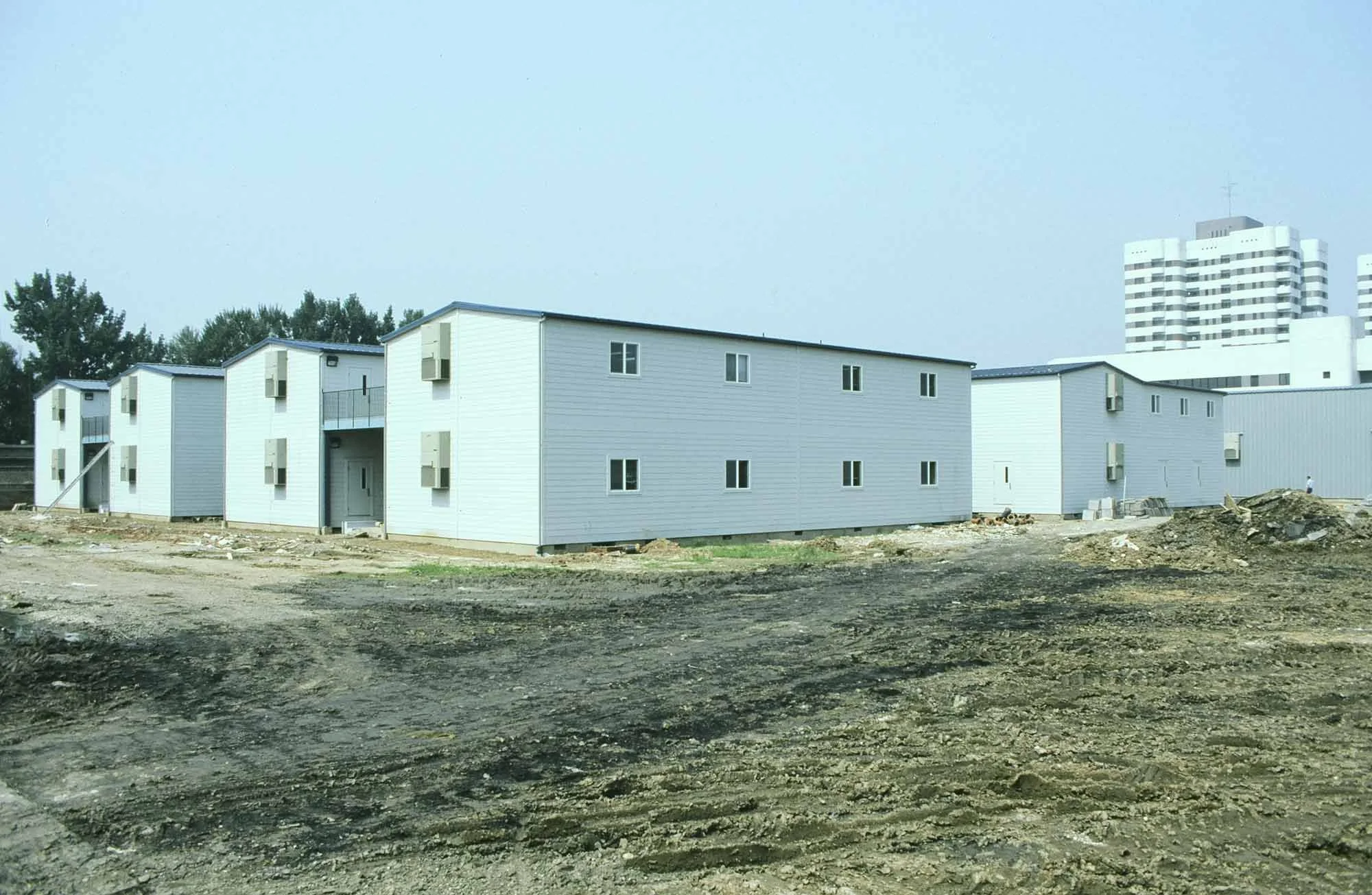
By 1993, we had outgrown our Silverton facilities and moved to our current location in Aumsville, Oregon.
The 1990s brought unique opportunities, such as designing and installing a two-story international school in Beijing in 1994, marking our first international project. For several years, we utilized the Silverton plant to manufacture residential wall panels for export to Japan and subsequently began constructing lightweight telecommunications shelters for a supplier in Alabama. By 1999, Blazer had produced over 9,000 modules.

2002
The 2000s: Innovation and Customization
In 2002, we developed a new line of concrete and CMU (concrete masonry unit) restroom buildings - our most substantial and technically demanding product to date. These projects required specialized cranes and climate-controlled curing environments. This product was developed with Chuck Kaufman of Restroom Facilities who later founded The Public Restroom Company.
To support this new direction, in 2006 we built a dedicated facility in Aumsville for specialty projects. These included modern prefab homes with architect Michelle Kaufmann, drive-through cafes for Starbucks, and Fast Lube automotive buildings through New Century Buildings for national oil change companies and car dealerships.
That same year, we opened a second facility in Stayton, Oregon, to meet rising demand. However, by 2010, the economic downturn had significantly slowed the construction industry, resulting in a volume reduction of over 65%.

2015
The 2010s: Resilience and Milestones
After a slow start, the 2010s brought recovery and remarkable growth. In 2012, we built a two-story, 74,000-square-foot Tesla STEM high school for Lake Washington School District in Redmond, Washington, This project was designed by Integrus Architecture and was comprised of 92 building modules and 69 roof modules—our largest school project to date.
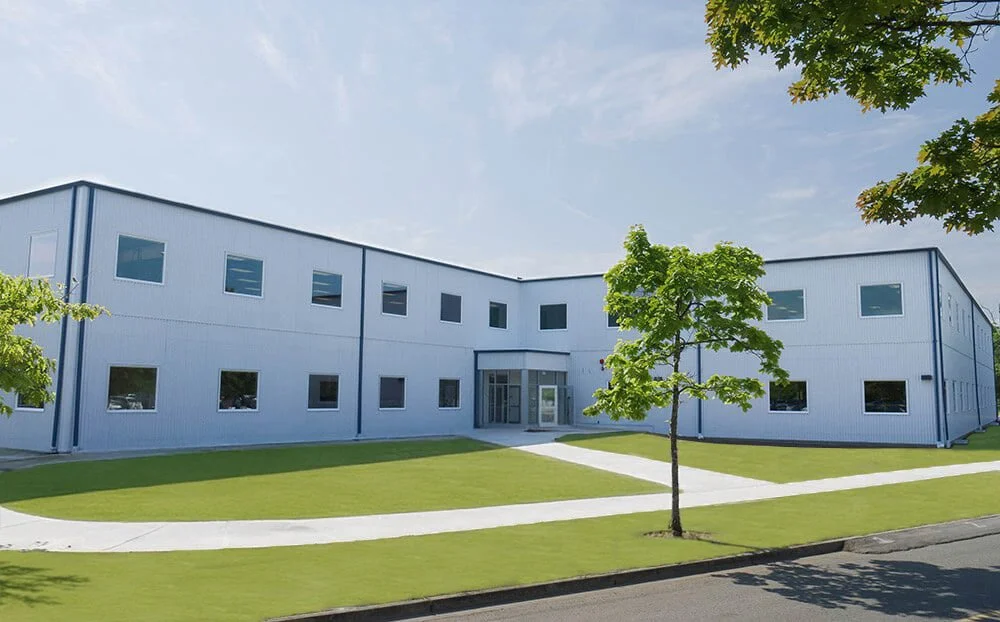
In 2015, we completed a 90-module, 85,000-square-foot, two-story office building. A year later, we constructed our first three-story project: a 12-unit multifamily structure located in Portland, Oregon and designed by Emmons Design.
We also launched new sustainable initiatives, partnering with Portland State University’s School of Architecture Professors Margarette Leite and Sergio Palleroni and Pacific Mobile to develop the SAGE “green” classroom. Sustainability continues to be a core value of our company.


Where We Are Today
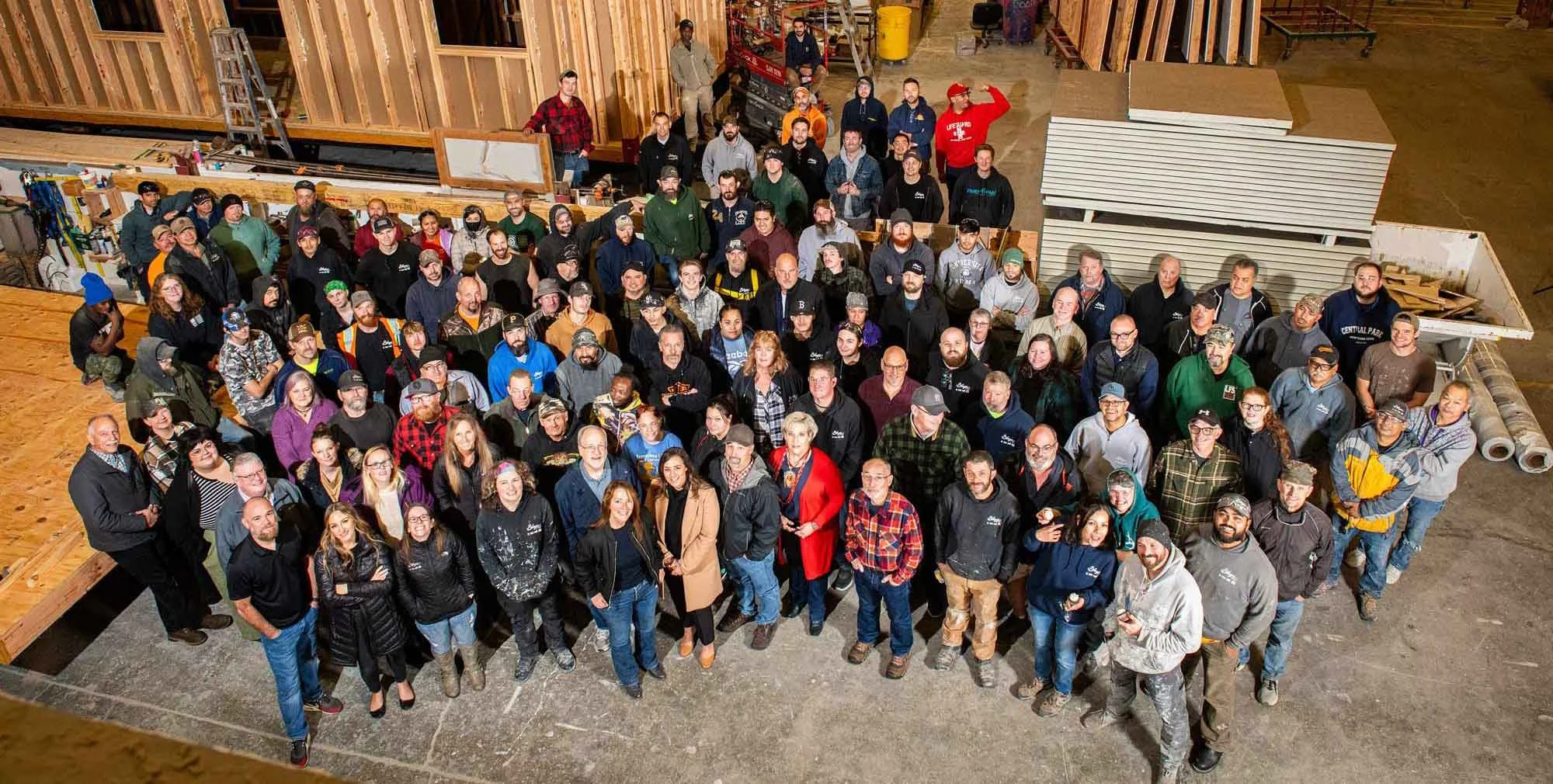
Blazer Industries has built over 19,000 buildings since 1976. We’ve grown not only in volume but in the sophistication and diversity of our work. Our team brings deep expertise, creativity, and a relentless focus on quality to every project.
In 2025, we began doing business as Blazer Modular Construction. Our legal name remains Blazer Industries, Inc., but our dba better explains what we do.
As we look to the future, we’re proud to continue shaping what’s possible in modular construction—from the Pacific Northwest to wherever innovation takes us next.